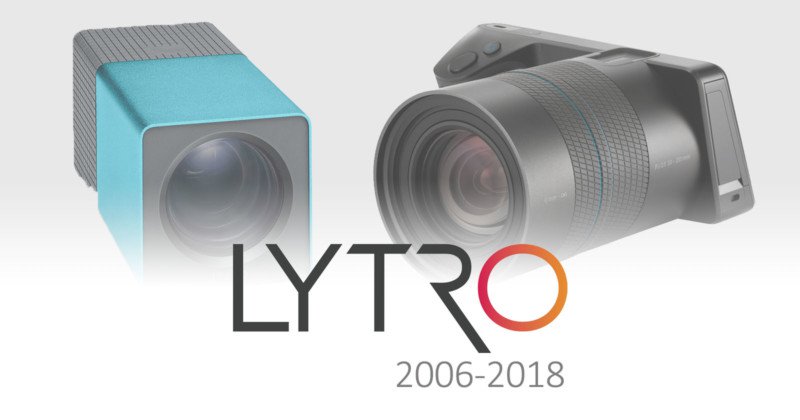
Lytro’s story was marked by several “world’s first” products in digital light field imaging. In this timeline, find out more about the company’s background and developments, from Founder Ren Ng’s dissertational research (2003 onwards) to the Lytro’s official end in 2018.
We’ve assembled the major (and some minor) landmarks of Lytro history in the following timeline. Click any entry for more information, or year numbers to open all included entries.
2003-2006
- Ren Ng’s PhD Thesis
2003-2008
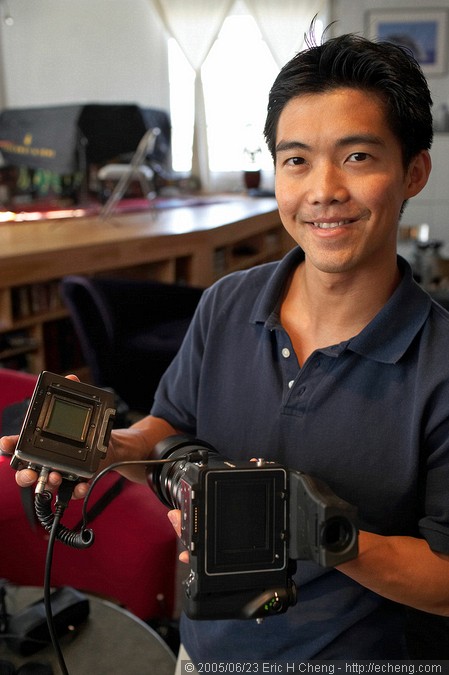
 After several months of reading subject-related books and publications, Ren Ng starts his PhD studies on Digital Light Field Photography in 2003. Ng also works on miniaturizing LightField technology from a room-full of tethered cameras into a single, portable camera.
His doctoral dissertation is submitted in July 2006.
Read more:
- Refocus Imaging
2006
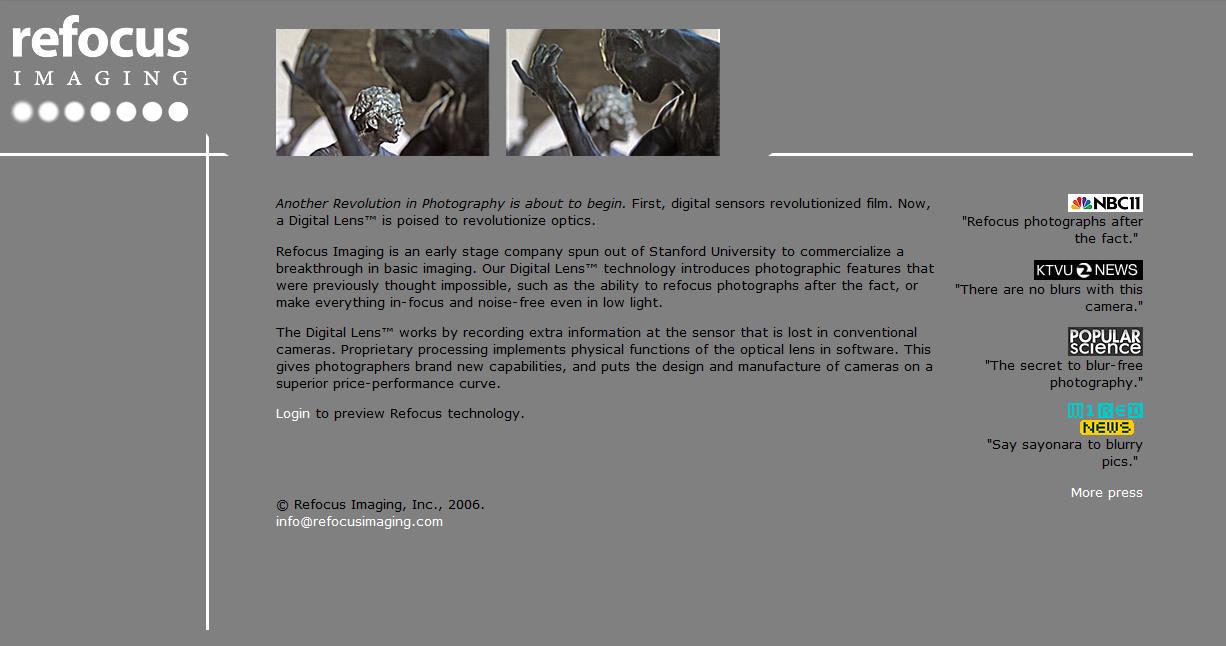
 Ren Ng starts a company named Refocus Imaging, which will later turn into Lytro, Inc.
The initial Lytro team consists of Ng himself, and engineers Colvin Pitts, Tim Knight and Alex Fishman.
Read more:- Camera Crew
- Video teaser: the Power of LightField technology (mov, wmv)
- Demo at Intel Developer Forum
2008
In 2008, Ren Ng presents the capabilities of light field photography (mainly refocus and extended depth of field) at the Intel Developer Forum in Shanghai.
2011
- Lytro launches out of Stealth Mode: Start of a Picture Revolution
June 21 2011
Lytro publicly announces working on the world’s first consumer LightField camera. The small company demonstrates what becomes possible with LightField photography.
Lytro Commercial: The Start of a Picture Revolution
http://www.youtube.com/watch?v=7babcK2GH3IRead more:
- Starting the Light Field Revolution
- Lytro launches out of stealth mode
- Living Pictures: Lytro Launch Party
- First LightField 3D Demo
July 6 2011
Following a lot of publicity from their official launch, the company demonstrates 3D capabilities of the Lytro LightField Camera.
Read more: It gets better! Lytro 3D Demo
- Official product launch and first demo
October 19 2011
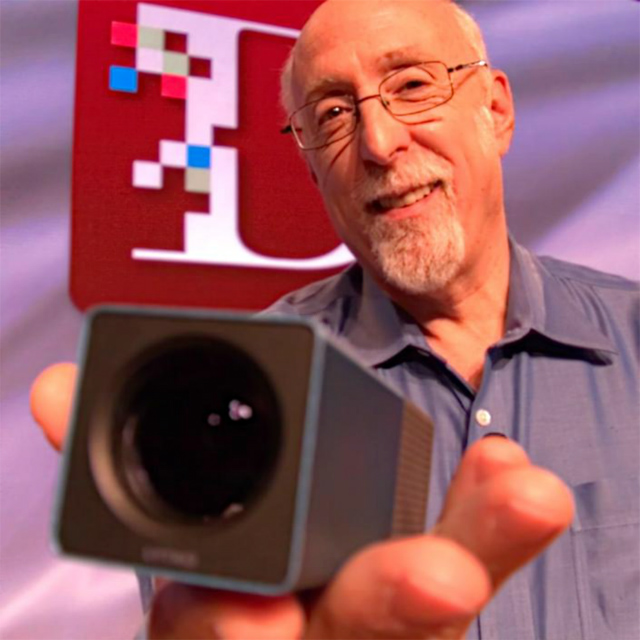
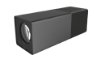
 Lytro officially launches their LightField Camera in the United States.
A few hours later, Executive Chairman Charles Chi and Director of Photography Eric Cheng present the camera and its features to Tech-Guru Walt Mossberg at AsiaD in Hong Kong.
Read more:
2012
- New Feature: Creative Mode
February 2012
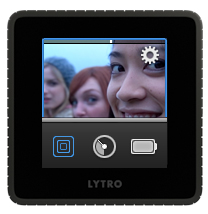
 First public mention of Creative Mode, a special camera mode that allows users to set the refocus range and depth of field. It also reduces the minimum focus distance to virtually zero.
Read more:- Lytro picture taking: Everyday mode vs. Creative mode
- Lytro minimum focus distance: get Super Macro shots in Creative Mode
- First LightField Cameras Ship
February 29 2012
On the very last day of their self-defined shipping time frame, Lytro ships out the first batch of LightField cameras to customers that pre-ordered right after the camera was presented in October 2011.
Read more: The first Lytro cameras are now shipping!
- First Camera Accessories
June 27 2012
The company offers their first camera accessories: a Replacement Lens Cap, Tripod Mount and USB Wall Charger.
Read more: Lytro accessories: Fast charger, lens cap and tripod mount now available for order
- Ren Ng leaves CEO position
June 29 2012
Lytro founder and former CEO Ren Ng steps aside and becomes Executive Chairman. Charles Chi takes his spot as CEO until a new CEO can be found.
Read more: Back to Innovation: Ren Ng becomes Executive Chairman, Lytro looking for new CEO
- Windows Software
July 24 2012
Without warning, the company releases the Windows 7 version of their Desktop Software. Within minutes, Lytro’s servers are seriously overloaded.
Read more: Lytro Desktop Software for Windows 7 released!
- Retail and International Sales
October 2012
In the United States, LightField cameras enter the retail market and start selling with major retailers Amazon, Best Buy and Target.
For the first time, Lytro’s LightField camera becomes available internationally, in 4 countries: Australia, Canada, Hong Kong and Singapore.
Read more: Lytro starts International Sales in 4 Countries, and partners with US Online Retailers
- Milestone: 400,000 shared Living Pictures
November 15 2012
While Lytro hasn’t released any sales numbers so far, the company does mention that Lytro users have shared about 400,000 Living Pictures since the first cameras started shipping 8 months ago.
- New Feature: Manual Camera Controls
October 10 2012
A new firmware update brings manual controls to the LightField camera. Users are able to set the shutter speed and ISO light sensitivity, control the built-in ND filter as well as lock the auto exposure settings.
Read more: More LightField Power in Your Hands: Manual Control for your Lytro Camera!
- New Camera Models and Accessories
October 10 2012
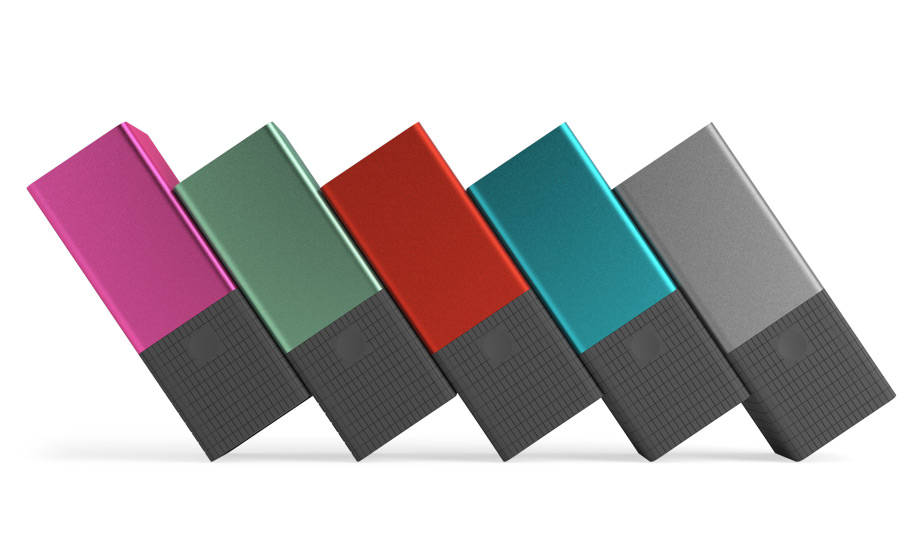 Lytro’s third surprise in October is a growing camera family: Seaglass and Moxie Pink are two new camera colour models available in the United States (both come with 8 GB of storage), the latter being exclusively available at Target.
New camera acessories are a Camera Sleeve and a bigger Camera Case.
Read more: Lytro LightField Camera: New Colours and Camera Protection available
- New Features: Perspective Shift, Living Filters
December 4 2012
On December 4, Lytro releases Desktop Software v. 2.0, which includes two major new features, Perspective Shift (parallax) and Living Filters:
Read more:
- New Feature: Self Timer
December 2012
Lytro’s latest firmware update (v. 1.1.1) brings a Self Timer to the LightField camera.
Read more: Lytro releases Self Timer for LightField Camera
2013
- iPhone App & WiFi Firmware
June 2013
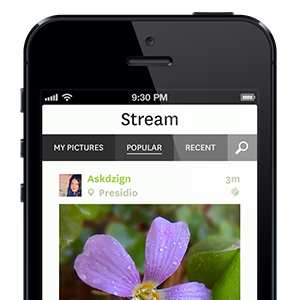
 On June 20, Lytro releases the first public version of the Lytro iPhone App, and a new camera firmware version that activates the integrated WiFi-Chip. The app makes it possible to directly transfer Living Pictures from the camera to the smartphone, and upload them to the internet. It also allows the export of animated GIFs (Refocus, Perspective Shift).
Read more: Lytro Mobile: iPhone App for WiFi Transfer from Camera, On-The-Go Sharing and more
- International Sales: Europe Launch
July 2013
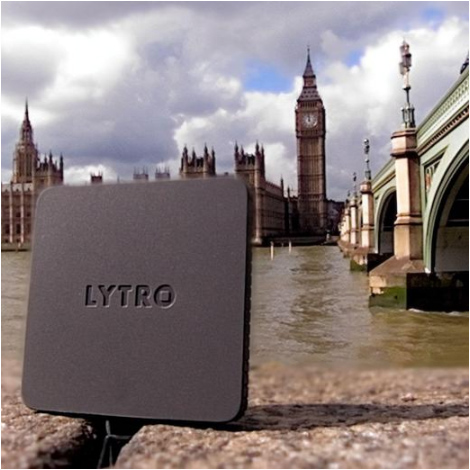
 In mid-July, Lytro finally enters the European camera market and gradually starts selling their Light Field Cameras in Germany, Austria, Switzerland, the Netherlands and the UK. 4 months later, Lytro further expands their reach to a total of 16 European countries, by offering their cameras on the Apple Online Store.
Read more:- Welcome to Austria, Germany and Switzerland, Lytro!
- Lytro international: UK sales start July 22
- Lytro goes Apple Online Store, introduces two new Camera Colours
- New Features: 3D, All in Focus
November 2013
 Lytro originally promised their users 3D-functionality by the end of 2012. Support for 3D display and export, as well as all in focus is finally added in November 2013, with the release of Lytro Desktop 3.1 and Lytro Mobile 1.2.
Read more:- Lytro Desktop 3.1: Living Pictures in 3D, All-in-Focus Viewing, Full Screen Mode and more
- Lytro Mobile 1.2 brings Full Screen Mode, Airplay Support and 3D Export

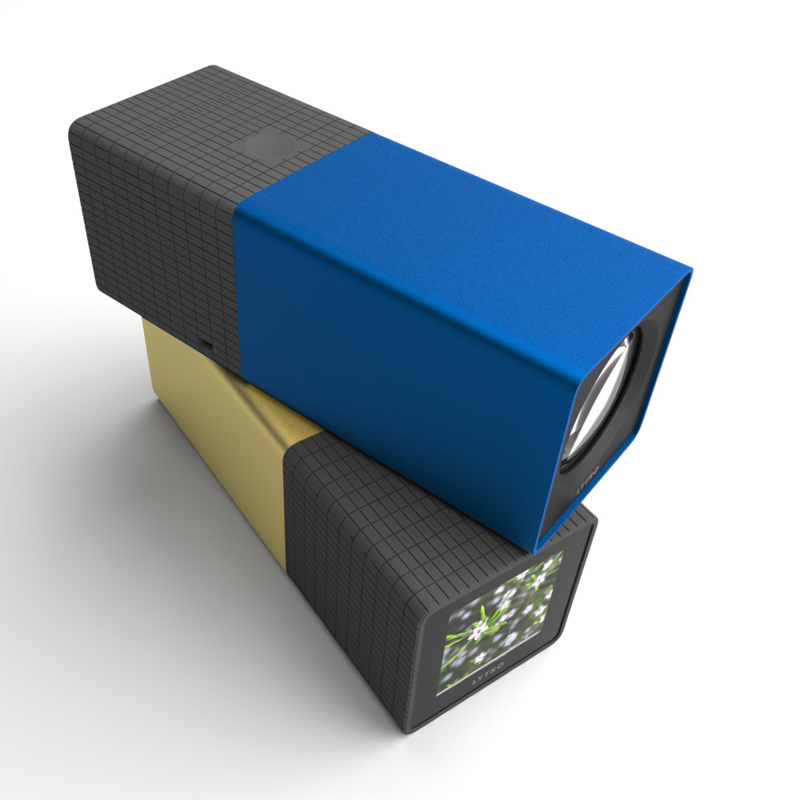
- New Camera Models: Cobalt Blue and Champagne
November 2013
With their launch on the Apple Online Store, Lytro introduces two new camera colours, available exclusively via Apple: Cobalt Blue (16 GB) and Champagne (8 GB, US and Canada only).
Read more: Lytro goes Apple Online Store, introduces two new Camera Colours
- 40 Million Dollar Funding Boost, New Hardware Teased
November 2013
Lytro announces that the company has raised another 40 million US-Dollars in venture capital, coming from new and existing investors. CEO Jason Rosenthal says the money will be used “to help fund a new generation of Lytro hardware”, hinting specifically at the professional photography and motion picture markets, as well as “thinner and cheaper consumer cameras”. He promises that “more than one” of these waypoints will be reached in 2014.
Read more: Lytro secures 40 Million Dollar Boost for New Light Field Hardware
2014
- Lytro Illum: Lytro goes Semi-Professional
April 2014
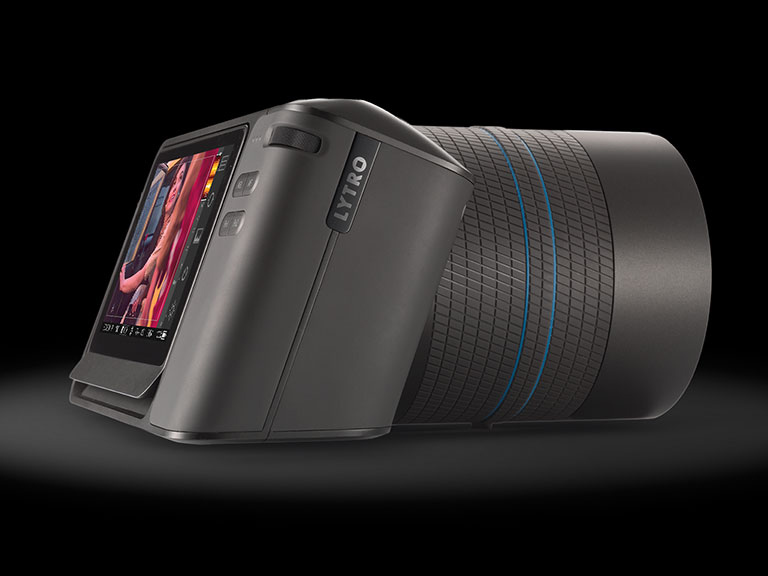
 On April 22, Lytro announces their second generation product: Lytro Illum is a professional-grade light field camera with 40 Megaray light field sensor, fixed lens, 4 inch touchscreen, removable battery and SD card slot. The camera is scheduled to ship in July 2014.
Read more: Lytro Illum: Professional-grade Light Field Camera and Software
- Lytro Development Kit
November 2014
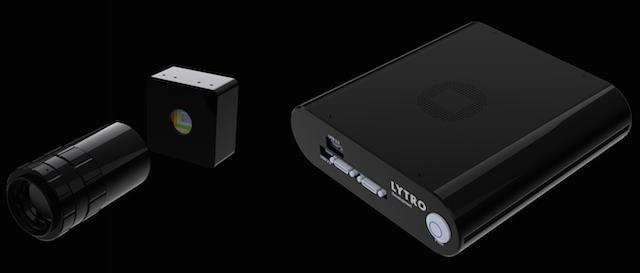
 On the belief that photography is not the only application of light field technology, Lytro opens up their proprietary technology to interested partners. The company offers a “Lytro Devlopment Kit” (USD 20,000.-), consisting of a high-end server and light field camera, to imaging researchers and industry to provide the “highest degree of control” over Lytro’s hard- and software system.
“With access to Lytro’s advanced light field capture devices and processing engine, a new wave of pioneers in holography, microscopy, architecture, security and many more imaging fields can reimagine and customize their products.”
Read more: Lytro Offers Unprecedented Access to Their Tech for $20K
2015
- Shift to Video and Virtual Reality
February 2015
The Light Field company raises another 50 million US-Dollars and announces plans to expand into new fields, including light field video and virtual reality (VR). At the same time, the company lays off up to 40% of their workforce to allow for hiring experts in the new areas.
CEO Jason Rosenthal promises new features for the Lytro Illum camera through software updates, as well as a third-generation, higher-resolution camera for 2016.
Read more: Lytro Cuts Jobs, Raises $50 Million in Shift Toward Virtual Reality and Video
- Lytro Immerge for Cinematic VR
November 2015
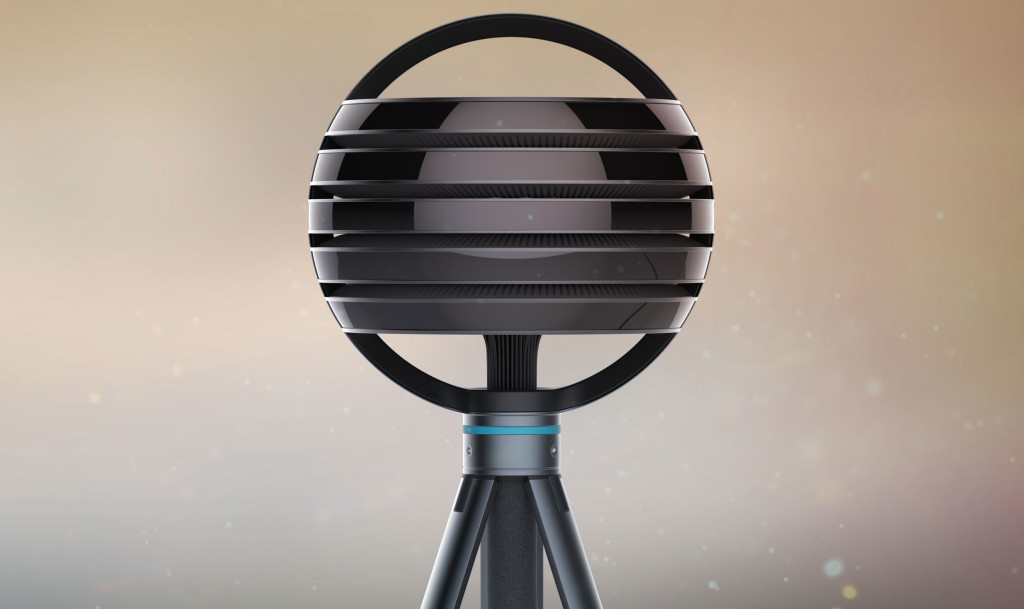
 Lytro introduces their next generation camera: The Lytro Immerge, a 360-degree Virtual Reality (VR) capture solution consisting of a futuristic-looking camera orb plus server for storage and processing, as well as software editing tools. The Immerge offers 6DoF (six degrees of freedom) volume recording, which allows the viewer to move around in a recorded scene using a VR headset.
Read more: Lytro Immerge is the World’s First Light Field Camera for Virtual Reality
2016
- CEO Jason Rosenthal explains Lytro’s stragety change
April 2016
 In a 2300+ word article, Jason Rosenthal explains how he came to be the CEO of Lytro, and how he turned the company’s strategy around by 180 degrees.
Read more: Why I Lit Up Lytro
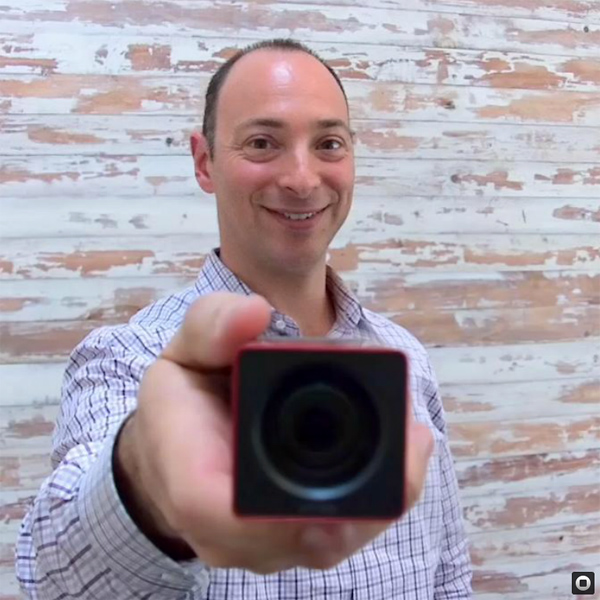
- Lytro announces the Lytro Cinema Camera
April 2016
 Weighing in at 755 Megapixels and 300 frames per second, the newly announced Lytro Cinema Camera is the company’s second step away from consumer cameras and into the commercial sector. This new, “highest-resolution video sensor ever designed” produces around 400 GB of data per second, as it records a 3D light field model of the world.
Like the Lytro Immerge, the Lytro Cinema system is made up of a camera, server array for storage and processing, and editing software.
At 90 degrees field of view (and allowing for some overlap for stitching), capturing 360 degree content requires 5 individual takes at 5 camera rotation stops.
Read more: 755MP 300fps Lytro Cinema Camera Captures a 3D Model in Every Frame

- First Lytro Immerge Demo: “Moon”
April 2016
Five months after the announcement of the Lytro Immerge, the company demonstrates what can be done with the VR-centric camera system. The project, “Moon”, allows viewers with a VR headset to move their head around with 6DoF (6 degrees of freedom), for a much more immersive experience compared to VR video games and 360 degree videos.
Read more: Lytro’s First VR Demo Uses Immerge to Take You to the Moon
2017
- Lytro Immerge 2.0
December 2017
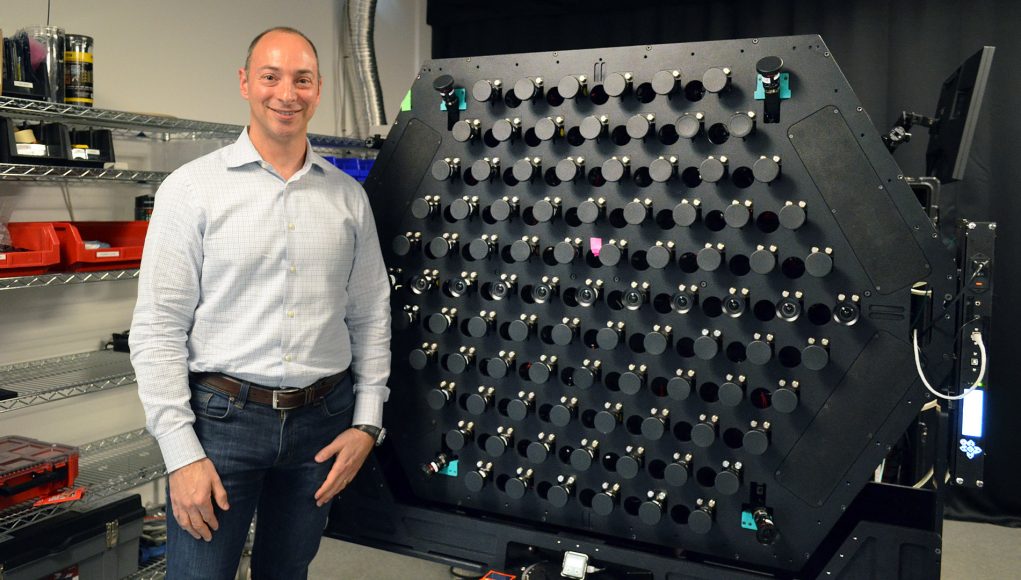
 The second generation of the Lytro Immerge VR camera is a rig of 95 individual cameras with a total field of view of 120 degrees, which means that a 360-degree recording requires only 3 camera recordings.
Read more: Lytro Immerge 2.0 is a HUGE light-field camera rig for high-end VR production
- Lytro Shuts Down Photo Sharing Service
December 2017
Two years after shifting their focus from consumer to commercial industries, Lytro discontinues their end-user photo sharing website pictures.lytro.com.
Read more: Lytro has officially killed off its online sharing platform for light-field images
2018
- Lytro ceases operations
March 2018
 Amidst rumours that Google was interested in acquiring the company, Lytro announces that the company is winding down operations. The search giant did not officially buy Lytro, but according to reports, a “large fraction” of Lytro’s employees did join Google.
The company released this statement:At Lytro, we believe that Light Field will continue to shape the course of Virtual and Augmented Reality, and we’re incredibly proud of the role we’ve been able to play in pushing the boundaries of what’s possible. We’ve uncovered challenges we never dreamed of and made breakthroughs at a seemingly impossible pace. We’ve had some spectacular successes, and built entire systems that no one thought possible. More importantly, we built a team that was singularly unified in its focus and unrivaled in its dedication. It has been an honor and a pleasure to contribute to the cinema and Virtual Reality communities, but starting today we will not be taking on new productions or providing professional services as we prepare to wind down the company. We’re excited to see what new opportunities the future brings for the Lytro team as we go our separate ways. We would like to thank the various communities that have supported us and hope that our paths will cross in the future.
Lytro was founded in 2006 by Executive Chairman Ren Ng, whose Ph.D. research on Light Field imaging won Stanford University’s prize for best thesis in computer science. In late 2015, Lytro announced the world’s first Light Field solution for Virtual Reality (VR), Lytro Immerge, that was quickly followed by the 2016 launch of Lytro Cinema, the world’s first Light Field capture system for cinematic content. With these products, Lytro pioneered the generational shift from legacy 2D imaging to 3D volumetric video.
Read more: RIP, Lytro: Light Field Camera Pioneer Officially Shuttering




Recent Comments