May 28

Nokia: Yes, Computational Imaging in Future Lumia Smartphones

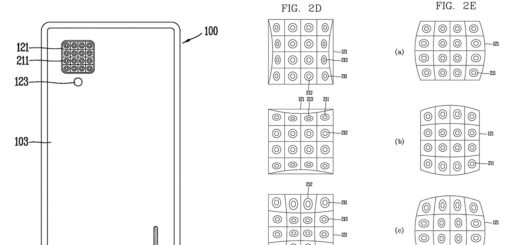
Nokia: Yes, Computational Imaging in Future Lumia Smartphones (photo: BGR) Earlier this month, we reported on Nokia’s generous investment into Pelican Imaging. The reason for this investment seemed rather obvious: Help Nokia gain an advantage in the smartphone market, with the help of LightField technology.

Now, Jo Harlow, Executive Vice President for Smartphone Business at Nokia, has practically confirmed the rumours: Nokia engineers are working on advancing smartphone photography beyond the megapixels, and want to bring light field tech (a relatively new and promising branch of computational imaging) into the miniature shape required for future Lumia smartphones: Continue reading

May 03

Nokia invests in Pelican Imaging. Are LightField enabled Nokia Smartphones Next?

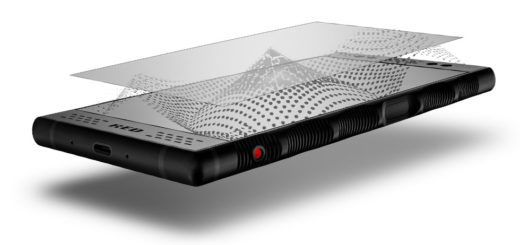
Nokia invests in Pelican Imaging. Are LightField enabled Nokia Smartphones Next? (Mockup: LightField-Forum.com) Remember the recent headlines about Pelican Imaging? Less than a month ago, the company promised powerful 20 $ LightField modules, to be integrated into Smartphones by mid-2014.

Now, Bloomberg reports that Nokia is investing 20 Million Dollars into Pelican Imaging’s research:

Nokia Growth Partners, the venture-capital arm of Nokia (NOK1V) Oyj, plans to invest in California startup Pelican Imaging as the phonemaker seeks to win back customers from Apple Inc. (AAPL) and Android devices with cameras that give greater depth and ease of splicing together images. Continue reading

Apr 26

FocusTwist App: More Software Refocus for your iPhone

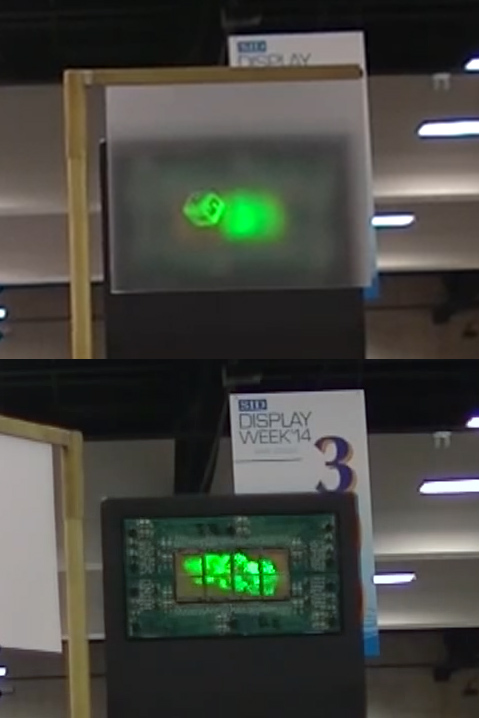
FocusTwist App: More Software Refocus for your iPhone (picture: Arqball) Last week, we presented the tap2focus iPhone App that offers Lytro-like refocus capabilities by way of manually recording several photos and combining them into an interactive picture.
Shortly after (but unrelated), Arqball announced the launch of their newest app FocusTwist which also promises this LightField-like feature.

FocusTwist (AppStore Link) FocusTwist ($1.99)
Arqball (Rated:
4+)

There are a few differences between the two apps:

Continue reading

Apr 21

tap2focus: Interactive Refocus for your iPhone

tap2focus: Interactive Refocus for your iPhone Manufacturers are racing towards creating the first light field enabled smartphone, and the first ones are expected to be released early next year.
If you have an iPhone, you don’t have to wait until then to create pictures with interactive refocus: App developer Caal Studio took the same technological short-cut that MEMS technology uses for image refocus, and merges several images focused at different depths to create a Lytro-like effect.

Their new iOS App tap2focus allows you to take multiple pictures at different focal lengths by tapping on the live camera preview, while holding the iPhone or iPod Touch as stationary as possible.
The app then combines these images into an interactive image, which can be viewed and refocused on the device itself and shared to facebook, twitter or via email.

tap2focus (AppStore Link) tap2focus ($0.99)
Caal Studio Limited (Rated:
4+)

Continue reading

Apr 18

Pelican Imaging: Smartphone Plenoptik-Kamera-Module für 20 Dollar

Pelican Imaging: Smartphone Plenoptik-Kamera-Module für 20 Dollar Smartphones begleiten viele von uns täglich auf Schritt und Tritt. Kein Wunder, dass sie inzwischen zu den meistbenutzten Kameras auf den wichtigsten Photo-Sharing Websites aufgestiegen sind. Mit der Einführung von LichtFeld Technologie in den Mainstream wurde sehr schnell das Marktpotential für LichtFeld-fähige (plenoptische) Smartphone-Kameramodule offensichtlich.
Innerhalb der letzten Monate kündigten mehrere Firmen an, an kleinen LichtFeld Modulen für den Einbau in Smartphones zu arbeiten – darunter auch Toshiba und das MIT. Toshiba kann sogar bereits mit einer funktionierenden Demonstration aufwarten, und möchte das hauseigene Modul bis März 2014 auf den Markt bringen.

Pelican Imaging ist eine weitere Firma (die wir im letzten September vorgestellt haben). Nach 6 Jahren Forschung konnte die relativ unbekannte Firma aus Mountain View kürzlich im Rahmen des Mobile World Congress ihr Produkt vorführen: Ein winziges Modul mit einem Raster aus 4 x 4 (bzw. 5 x 5) einzelnen Kameras, das nur 3 mm dick ist. Durch die Verwendung von aktueller Standard-Kameratechnologie – anstatt der relativ teuren Mikrolinsen-Raster, belaufen sich die Kosten für das Modul auf nur 20 US-Dollar. Continue reading